Bastei Rocks Loop: Bohemian Switzerland's Easiest Walk
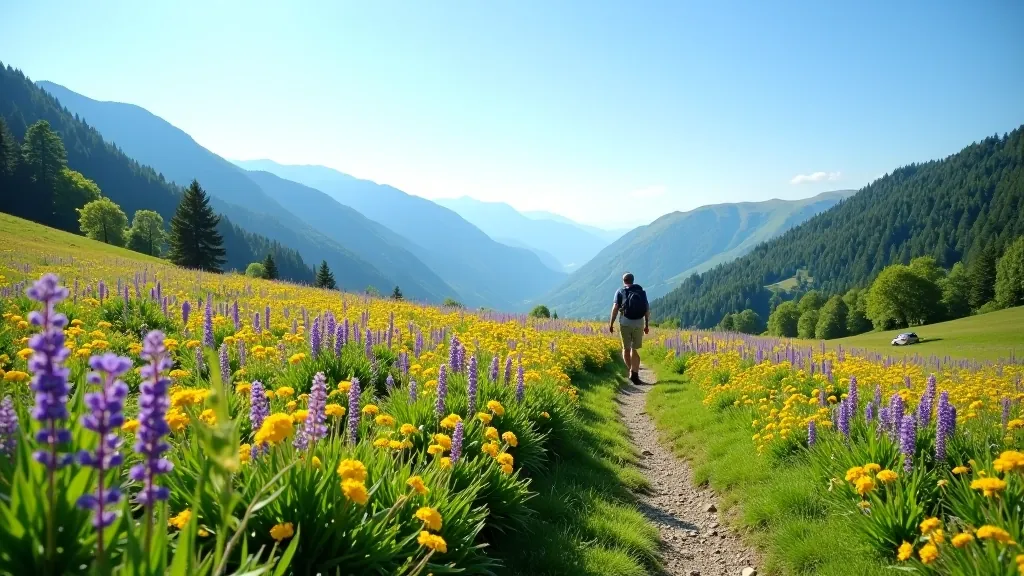
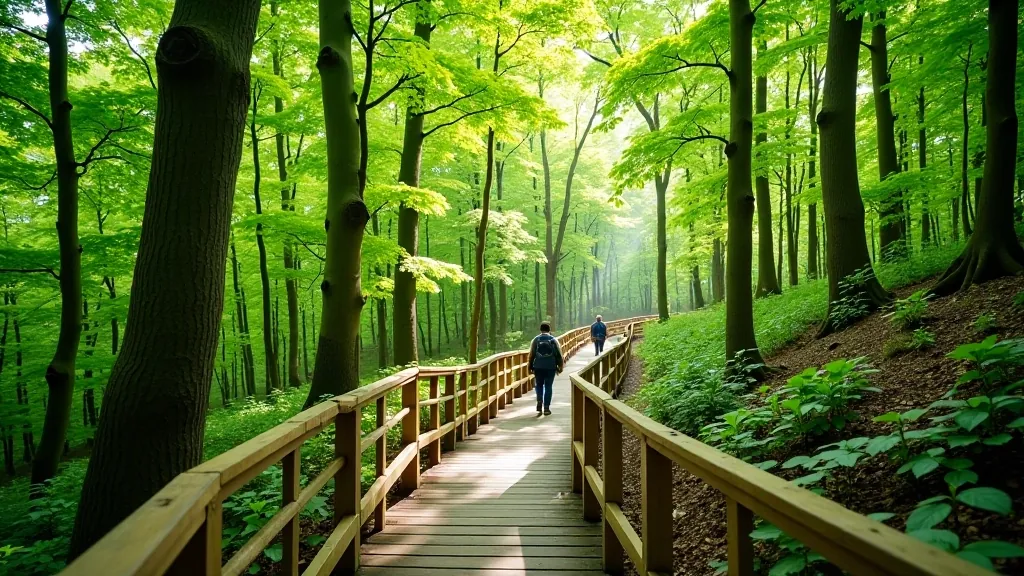
A stunning 4-kilometer circuit with incredible sandstone views...
Forget fancy gear. We're talking proper footwear, staying hydrated, pacing yourself, and honest advice about what to do when something hurts. That's the real foundation.

When people tell you they're planning their first hike, they often overthink it. They worry about expensive gear, fancy equipment, or being "fit enough." But honestly? That's not where the real work happens.
The essentials are simple: decent shoes, water, realistic expectations, and a plan. We're going to walk through each one. Not because they're complicated, but because getting them right changes everything about your experience.
Not necessarily expensive. But specifically chosen for support and comfort.
How much water, when to drink, where to refill. That's it.
Walking for enjoyment, not racing. Slow means sustainable.
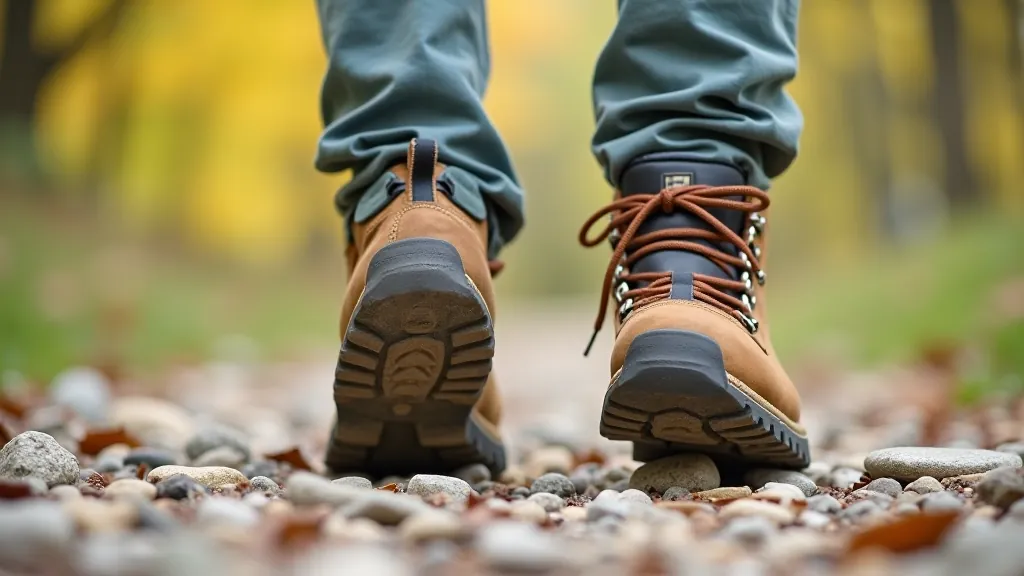
You'll spend the entire hike on your feet. That means shoes matter — probably more than anything else you'll bring.
Here's what actually matters: your shoes should have good ankle support, cushioning in the midsole (not just the insole), and a grip pattern that won't slip on wet rocks or gravel. You don't need special hiking boots for light trails. Regular walking shoes work fine, but they need to be quality ones.
Test them first. Take a 3-kilometer walk before committing to a longer hike. If you feel any rubbing, pressure points, or instability, they're not the right choice. A blister at kilometer 4 ruins the entire experience.
One tip: wear the socks you'll actually use on the hike when you test them. Moisture-wicking socks make a real difference — they keep your feet dry and reduce friction. Cotton socks? Don't do it.
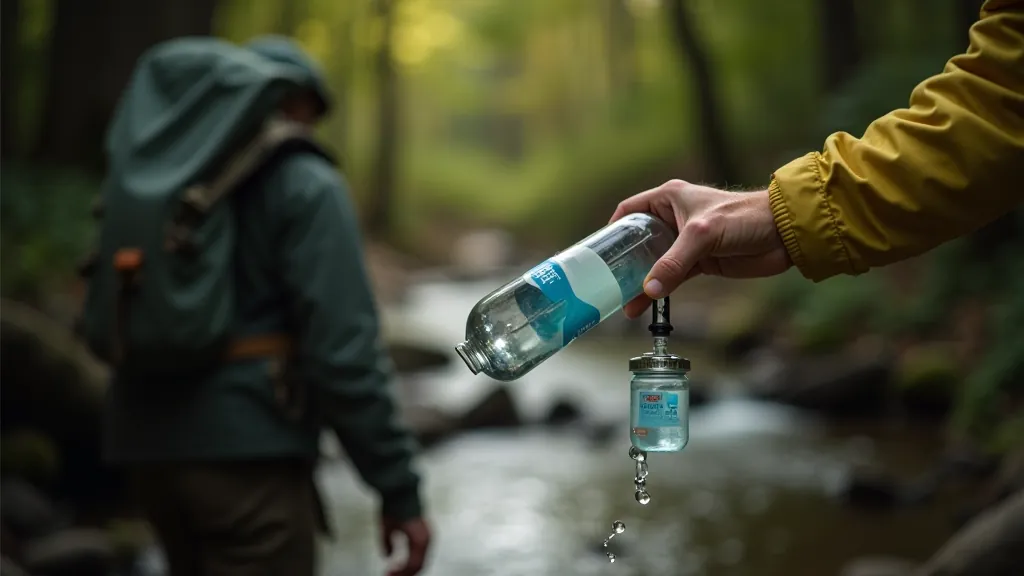
Dehydration sneaks up on you. You don't realize it's happening until you're already tired and irritable. The fix? Simple: drink water regularly, not just when you're thirsty.
For a 2-3 hour hike, bring at least 1.5 liters of water. If it's warm or sunny, bring 2 liters. On longer hikes, know where you can refill — springs, streams, or cafes along the route.
Drink about 200-250ml every 20-30 minutes of walking. Not in big gulps, just regular sips. Your body absorbs it better that way.
And here's something people forget: bring electrolytes. A pinch of salt, or a sports drink powder. When you're sweating and walking for hours, plain water alone doesn't replace everything you're losing. Even a small amount helps your body hold onto the fluids better.
The best hikes aren't fast. They're sustainable. You want to finish feeling tired but satisfied — not completely exhausted or like you could've done more.
On flat terrain, a comfortable pace is about 4-5 kilometers per hour. Uphill, it drops to 2-3 kilometers per hour. Don't compare yourself to younger hikers. You're out there for the experience, not the speed.
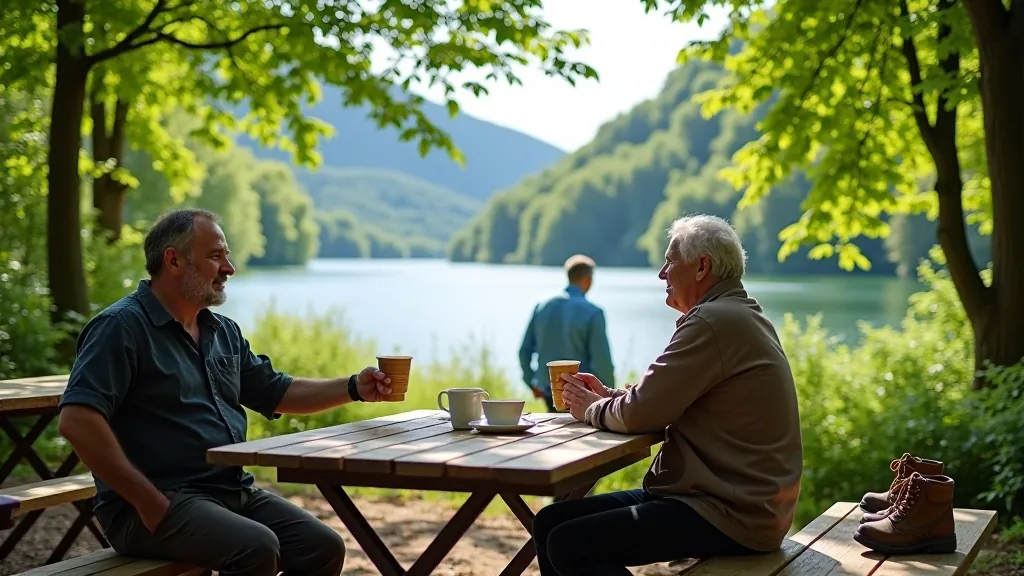
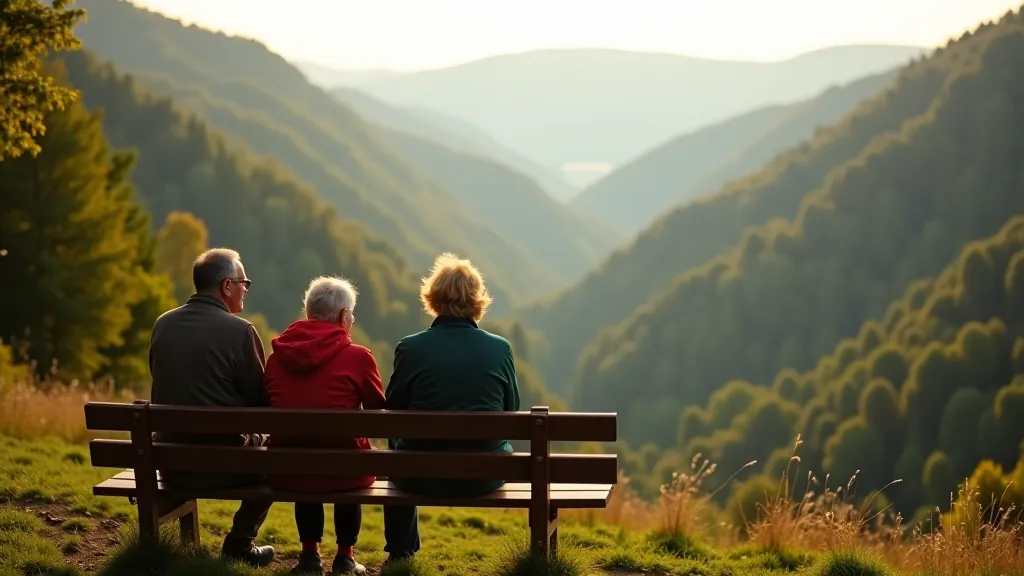
Build breaks into your plan. Stop every 45-60 minutes to rest, eat a snack, and look around. That's not weakness — that's good planning. Some of the best moments happen sitting on a rock with a view, not while you're struggling up a steep section.
And honestly? If your body says "slow down," listen to it. A slower hike you enjoy beats a faster one that leaves you injured or miserable.

Discomfort and injury aren't the same thing. A little muscle soreness? Normal. Sharp pain, swelling, or anything that makes you limp? That's different. Stop and assess.
Bring a basic first aid kit: bandages, blister treatment, pain relief tablets, and anti-inflammatory cream. A blister caught early doesn't ruin your hike. Ignored, it absolutely will.
If your knee starts hurting, don't push through. Sit down, rest it for 10 minutes. If it still hurts after that, turn back. There's no prize for finishing a hike while injured. You can always try again another day when you're not hurting.
Tell someone where you're going and when you expect to be back. Seriously. Even if it's a well-marked trail, let a friend or family member know your plan. That's not paranoid — that's responsible.
Know the distance, elevation gain, and terrain type. Download an offline map.
Mountain weather changes fast. Check the forecast morning-of and bring a light layer.
Trail mix, energy bars, fruit. Something with carbs and a bit of protein. Don't skip fuel.
UV exposure adds up fast at altitude. Reapply sunscreen every couple hours.
Keep your phone charged. Bring ID and insurance information, just in case.
Your route, expected return time, and what to do if you don't check in.
Finish before dark. You don't want to be hiking downhill when visibility drops.
It just needs to be enjoyable. And sustainable — something you'll want to do again.
Start with a short, well-marked trail. Bring the essentials we talked about. Walk at your own pace. And pay attention to how your body feels. If something works, repeat it. If something doesn't, adjust it next time.
The best hikers aren't the fastest. They're the ones who keep showing up because they know how to take care of themselves out there. That's what this guide is really about — giving you the foundation to hike safely, comfortably, and joyfully.
This guide is educational information for planning hiking activities. It's not a substitute for professional medical advice, fitness assessment, or coaching from a qualified hiking instructor. Everyone's physical condition is different. If you have existing health concerns, mobility issues, or haven't exercised regularly, talk with your doctor before starting any new physical activity. Trail conditions, weather, and personal capabilities change. Always assess your own fitness level and adjust your plans accordingly. The information here reflects general best practices but may not apply to your specific situation. Use your judgment, stay safe, and enjoy responsibly.