Moravian Karst Cave Trail: Underground Adventure
Caves, limestone cliffs, and underground rivers. It's mostly flat walking between three spectacular cave systems. Cool year-round (bring a sweater) and absolutely worth the trip from Brno.

Why Moravian Karst Stands Out
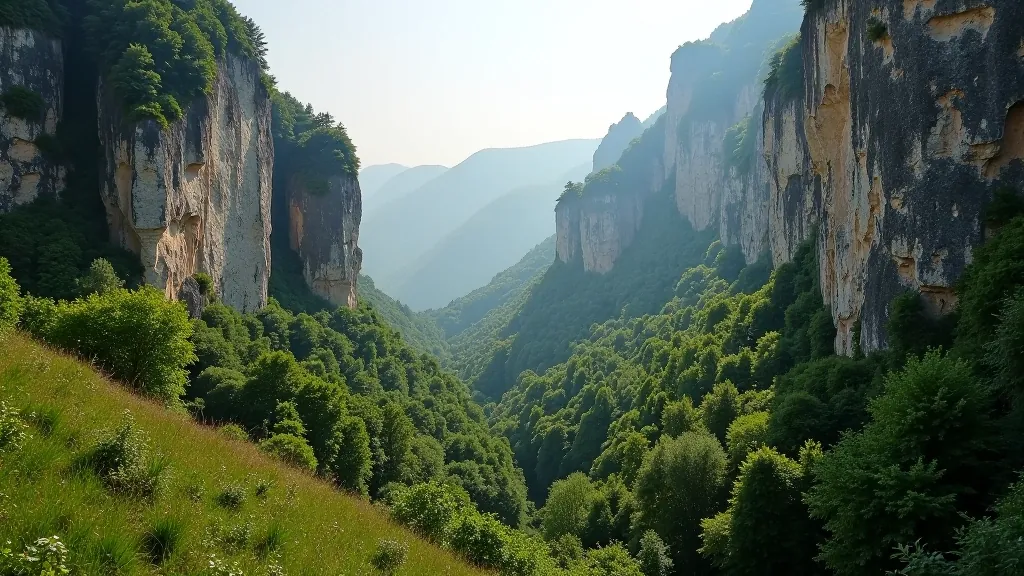
You won't find another place like this in the region. The Moravian Karst stretches about 35 kilometers across northern Moravia, but the best hiking section is compact — you're looking at a 7-kilometer loop that connects three major caves without serious elevation changes.
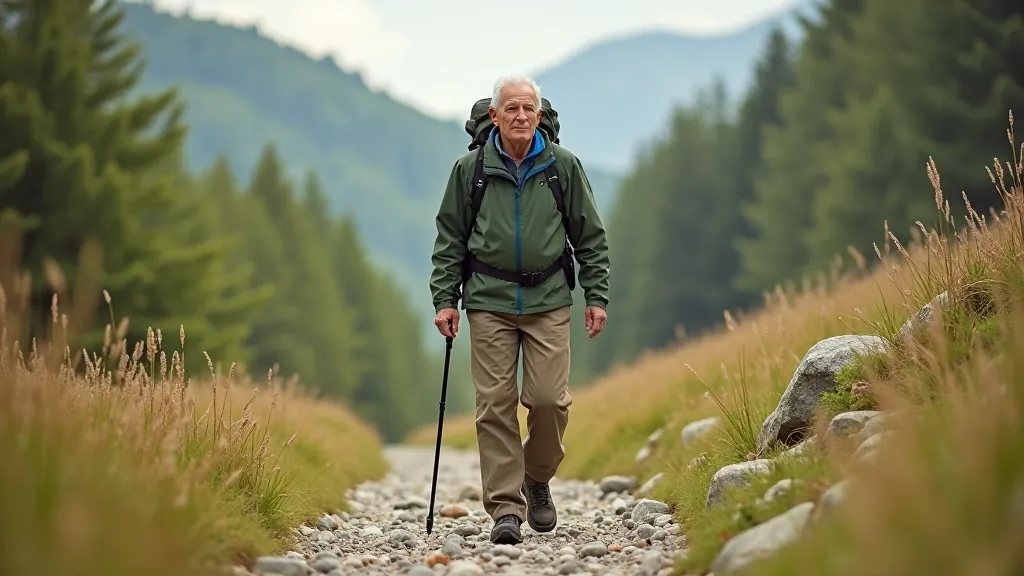
It's not a scramble. You're walking on established trails, mostly limestone gravel paths. The terrain underfoot is solid and predictable. What makes it genuinely special is the geology — you'll walk past sinkholes, underground streams, and cliff faces that'll remind you why limestone landscapes captured human imagination for thousands of years.
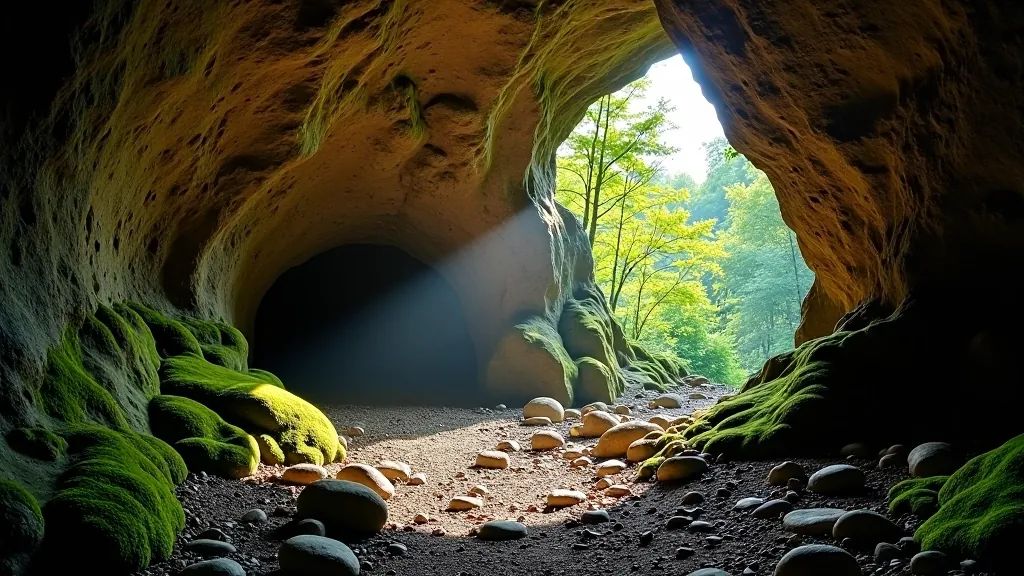
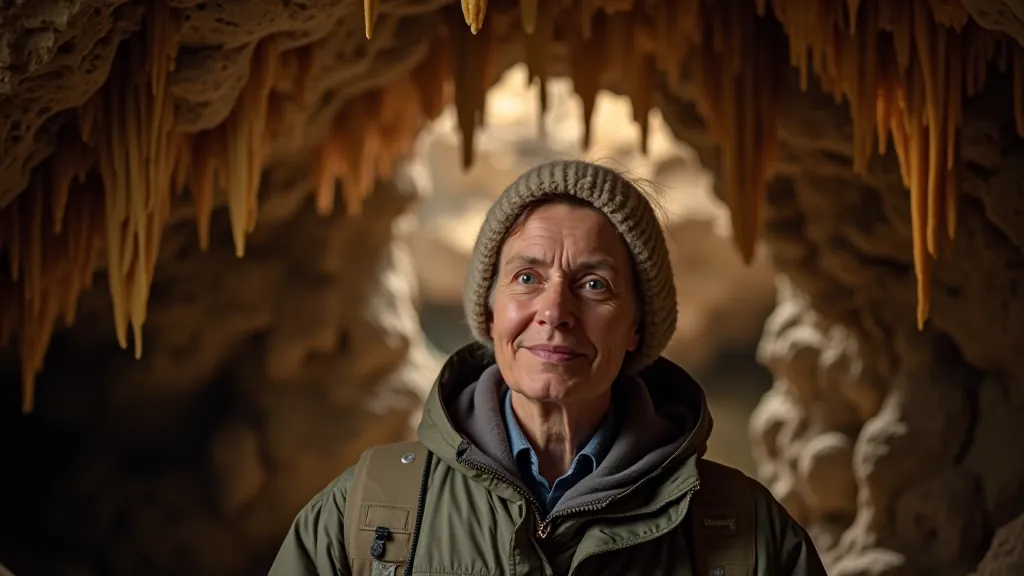
The caves themselves? They're managed but not overcrowded. You're visiting Punkva Caves, Balcarka Cave, and the Katerina Cave system. Each has its own character. The Punkva is the most famous — it's got an underground river you actually see flowing through a massive cavern.
The Actual Route and What to Expect
Here's the honest layout: you'll start near Blansko (the nearest larger town) and head toward the cave entrances. Most people do the loop in about 3-4 hours including time inside the caves. The walking itself takes roughly 90 minutes. The cave visits? That's your time variable.
You don't need a guide unless you want deeper geological detail. The caves are open to the public with marked pathways. The Punkva Caves actually include a boat ride through an underground river section — about 800 meters of paddling on calm water. It's not strenuous, just wonderfully strange.
Temperature inside stays around 9-10°C year-round. That's why we said bring a sweater. Even in August it's genuinely cool down there. Your legs will stay warm from walking, but your upper body will appreciate the extra layer.
Essential Gear and Timing
Footwear
Proper hiking shoes, not trail runners. The limestone gravel is sharp and unforgiving on feet. You need ankle support and a solid sole. Waterproof is smart because cave areas can be damp.
Hydration
Bring 1.5-2 liters of water. It's not a long walk, but there's limited shade. The caves don't have water fountains. You'll want to drink before and after, not just during.
Clothing
Layer up. Start with a breathable base, add a mid-layer, and that sweater for the caves. Weather changes fast in limestone country. Even summer days cool down quickly once you're underground.
Sun Protection
Sunscreen and a hat. You're exposed on the karst sections. The limestone reflects sunlight. Caves give you shade, but the walking between them is open terrain.
Best Time to Visit
Late spring through early autumn works best. May through September gives you stable weather. June and July are warmest but also busiest. April and October are quieter — bring extra layers because it's genuinely chilly. Winter is technically open but not recommended for seniors unless you're very experienced in cool-weather hiking.
Safety Considerations and Practical Tips
The route is genuinely safe. It's not technical hiking. The real risks are minor — slipping on wet limestone (wear proper shoes) and overheating from not bringing enough water. The cave paths are maintained and well-lit with electric lighting.
Start early. Aim for 8 or 9 AM. The caves get busy by mid-morning, and you want to finish the walking portion before afternoon heat sets in. Plus, early light through the cave openings is genuinely beautiful for photography.
Tell someone where you're going. Cell service is spotty in the karst area. Leave a note at your accommodation with your planned route and expected return time. It's basic precaution but genuinely matters in remote areas.
The boat ride in the Punkva Caves has a height/mobility requirement. You'll need to be able to duck under low rock passages. If you have mobility concerns, confirm with the cave management before you go. They're helpful about alternatives.
Worth the Trip From Brno
Moravian Karst delivers something you won't find on regular forest trails. You're combining geology, history, and genuinely interesting walking in one compact package. The caves aren't museum exhibits — they're real underground formations where water's been shaping rock for millennia.
Is it challenging? Not really. Is it memorable? Absolutely. You'll spend an afternoon doing something completely different from typical hiking. The walk itself is manageable for anyone with basic fitness. The caves do the heavy lifting in terms of "wow factor."
Plan for a full day if you're driving from Brno (about 45 minutes each way). Stay nearby if you can — there's accommodation in Blansko and smaller villages. You'll want time to enjoy it without rushing back the same day.
Disclaimer: This article is informational and educational. Trail conditions, accessibility, and cave hours change seasonally and may require updates. Always verify current conditions with local tourism offices before visiting. Individuals with mobility limitations, health concerns, or specific physical restrictions should consult with healthcare providers and local guides before attempting any hiking route. This guide describes typical conditions but doesn't account for individual circumstances or unexpected weather changes.